Fortnox
Fortnox, a fintech company has hit a bottleneck, where potential developers failing to take the next step to apply for a new career.
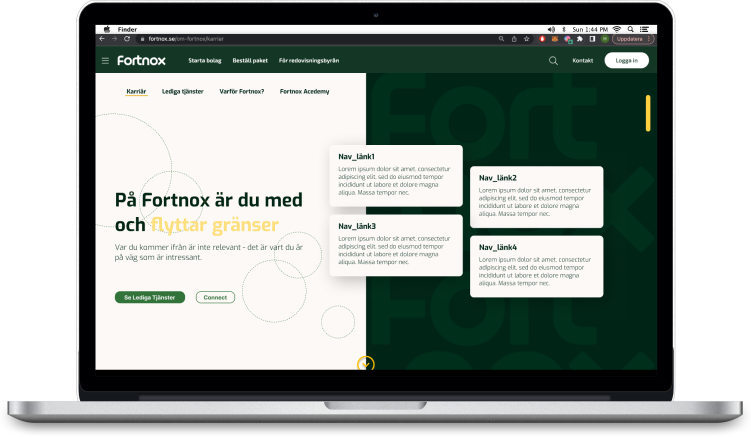
A revamp in their design and user flow were in dire need to bring their career site up to speed.
To address this, we refined the language in the developer-focused job listings—clarifying role descriptions and detailing key requirements—to present a structured, accurate view of Fortnox as an employer and enhance the overall career flow.
.

Client
Fortnox
Time range
13 weeks
My role
UX Research - UI Designer
Design team
2 people
Together with Fortnox, we crafted a design brief to tackle a bottleneck on the career page—candidates were dropping off before completing applications. The site lacked character, didn’t accurately reflect Fortnox as an employer, and the information flow was fragmented.
Our primary goal was to attract more developers while sustainably strengthening hiring across other roles. We mapped the recruitment process, identified friction points, and built two prototypes: a revamped career site and a data-driven job-ad template. The site concept introduced a streamlined listing view, an “Expression of Interest” option for unsure candidates, a transparent overview of the recruitment process, and content highlighting team dynamics, employee development, and event participation. The job-ad template clarified role expectations and key requirements to present a structured, accurate employer narrative. Together, these proposals modernize Fortnox’s career flow and align structure and content with the company’s values
Understanding
At the start of the project, we undertook a deep dive to understand Fortnox. The goal was to explore aspects such as the company's structure, the stakeholders influencing the career flow on the website, and the recruitment process. This was primarily achieved through desktop research, interviews with Fortnox employees, and mapping the recruitment process, which helped identify challenges and frustrations with the career flow.
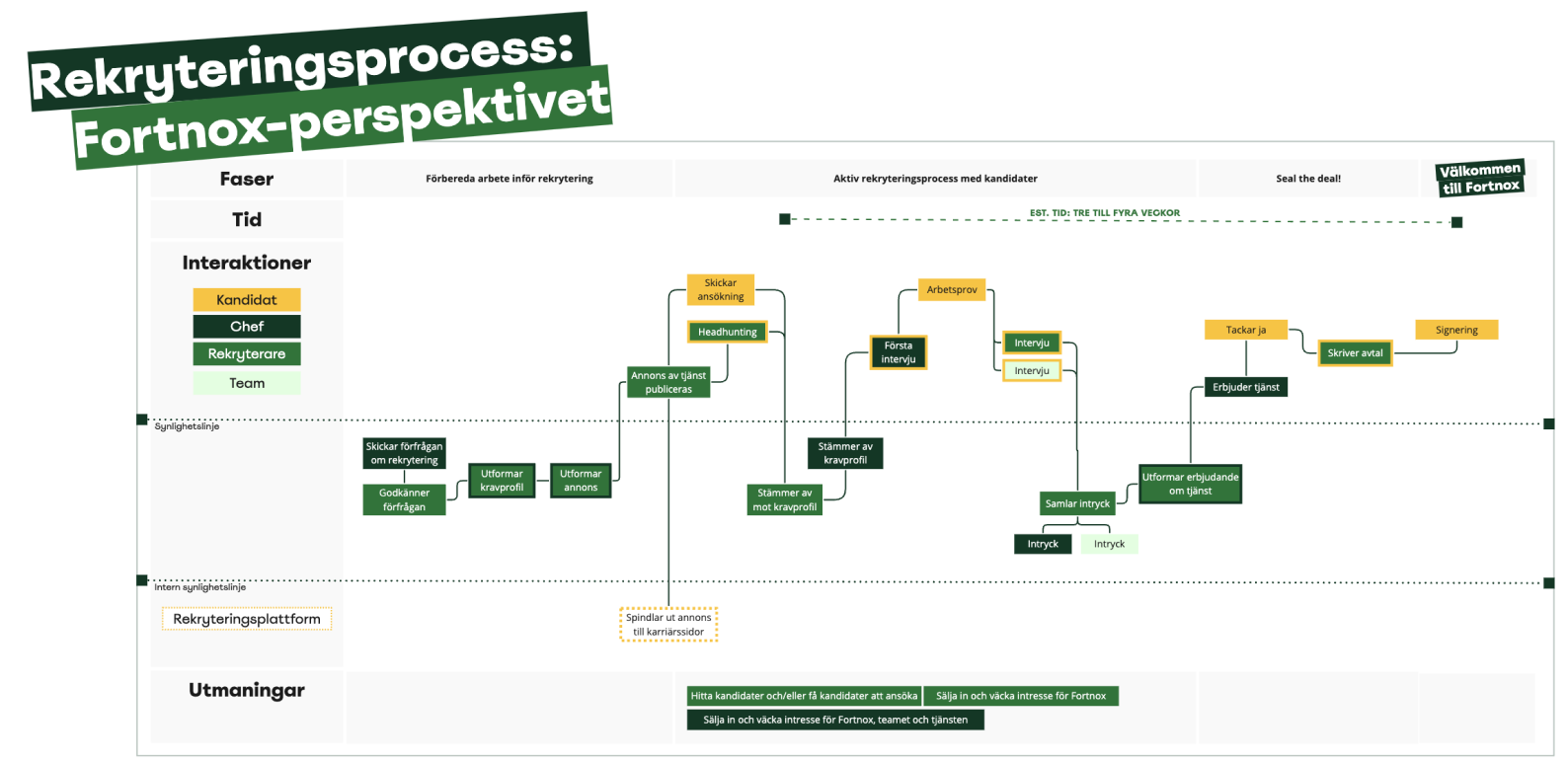
Fortnox aspires to project an image of innovation, leadership, and community. However, our evaluation highlighted challenges with the existing career site, including unclear navigation, inconsistent job ads, and variations in service previews. Users often encountered navigation dead ends, necessitating page reloads. Inconsistencies in job ads led to conflicting information and user confusion regarding job details and requirements.
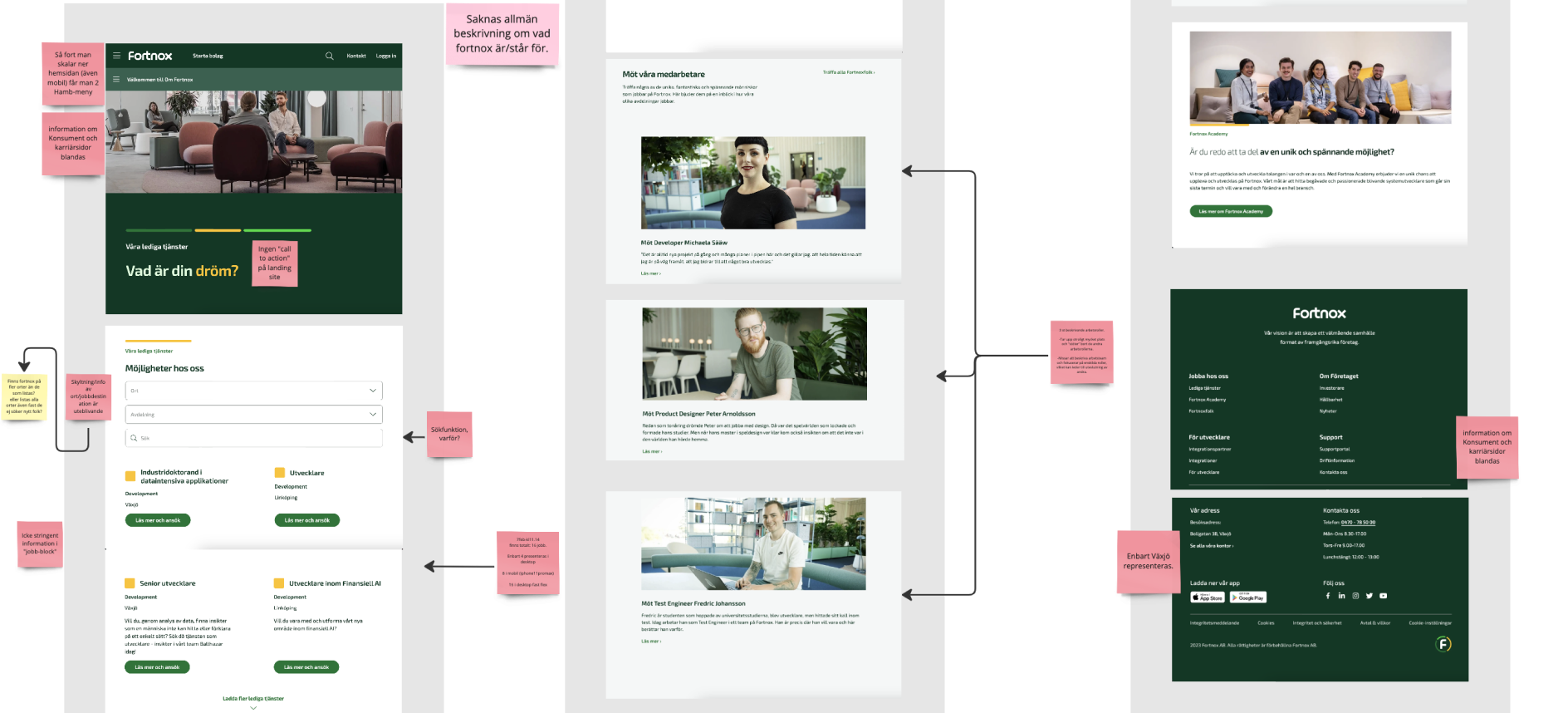
We also analyzed on mobile, where the site had other issues than on desktop. One example is how the job post’s took over all screen real estate and the user had to scroll a lot before next segment, where desktop only showcased 4 post’s with a ‘show more’ button.
Interviews
During our research, we undertook two distinct qualitative interview phases. The first involved speaking with Fortnox staff to gain insights into the company's work culture and environment, enabling us to align our solution prototype with their ethos.
Next, we focused on understanding the developers, the main target group for Fortnox's recruitment. Through a series of semi-structured interviews with these tech talents, we gathered invaluable insights into their career goals, industry experiences, and perceptions about organizational culture, values, and norms.
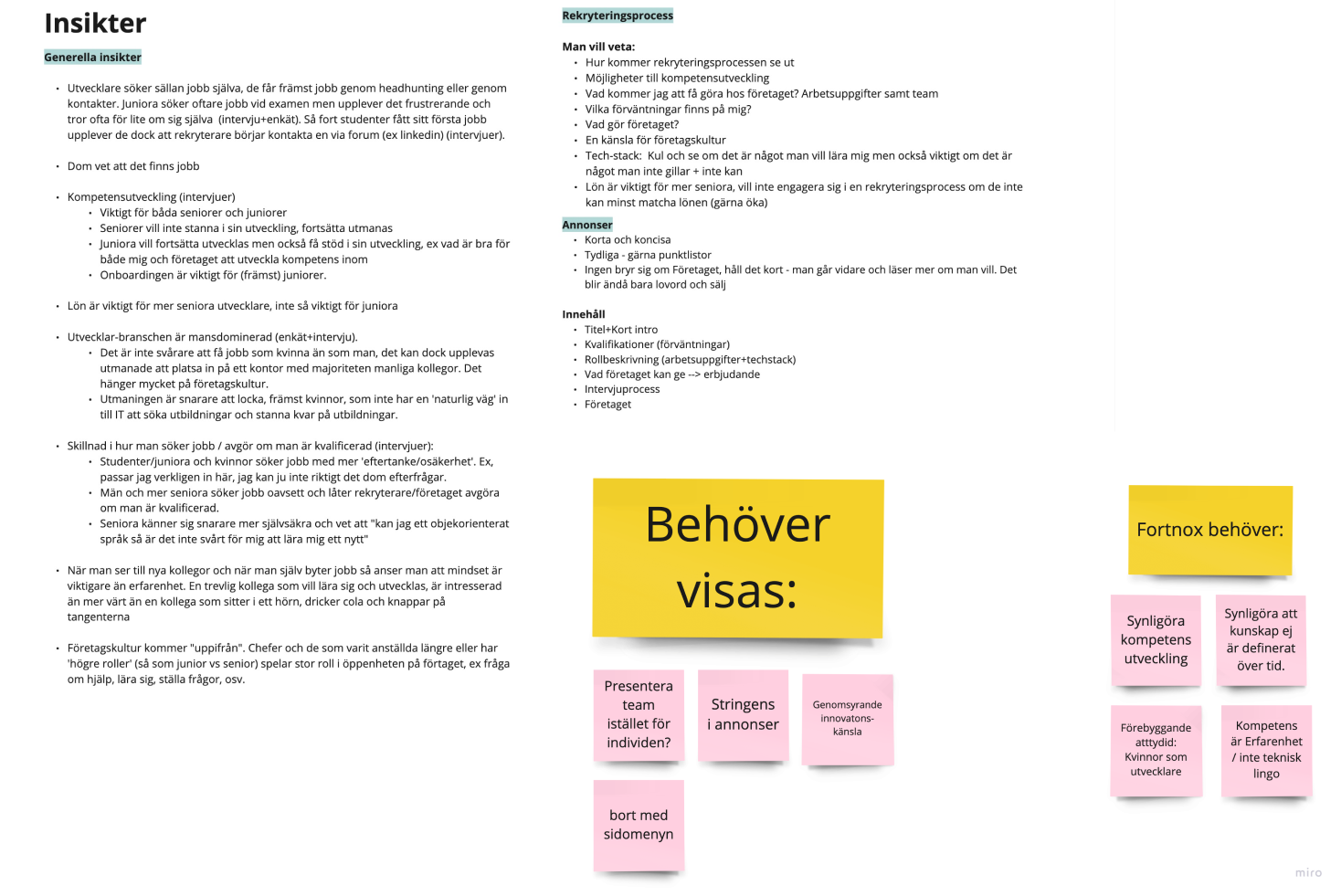
Job ads are often overly detailed, creating confusion about qualifications; hence, straightforward ads are appreciated.
Information about a company's 'tech stack', skill development opportunities, recruitment process, and job duties is crucial to developers.
Senior developers regard salary as important, while juniors focus less on it.
Developers seek an understanding of the company culture when considering job changes.
The industry's connection with 'male' interests like gaming presents a challenge in attracting women.
Women and junior developers usually apply for jobs only if they meet all the criteria, unlike senior male developers who apply irrespective of the requirements.
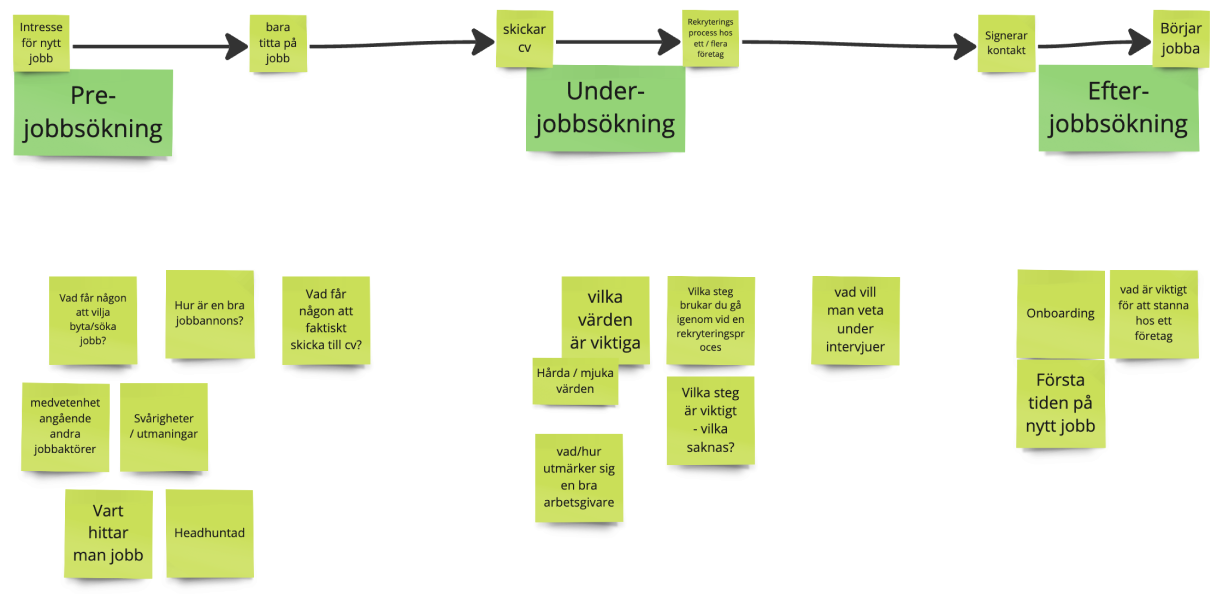
The interviews were planned meticulously, aiming to engage the respondents in an open and curious conversation about their career and experiences in the tech industry. An interview guide was developed to assist the interviewer, and the interviews were categorized into three conversation areas: 1) Career and goals, 2) Company culture and values, and 3) Job-seeking. The conversation areas were derived from the insights and challenges related to Fortnox's recruitment process gathered throughout the project. Each interview, conducted either in person or via digital communication platforms, was scheduled to last 45 minutes.
Respondents for the interviews were selected through convenience sampling and snowball sampling. The selection aimed for gender balance and a variety of roles within development, such as full-stack developers, front-end or back-end developers, and data analysts, along with varying levels of industry experience. The process faced challenges in recruiting female respondents, resulting in a slight male respondent dominance. In total, 7 respondents (4 men, 3 women) participated in the interviews.
The data showed that:
Case summary
Optimizing Tech Talent Recruitment
Given the insights from our research on how developers evaluate their qualifications and job search, we explored how job ad design impacts this process. Our key research question was: "How does the information and design of job ads affect tech candidates' assessment of their qualifications?"
We deepened our understanding of tech talents' needs, goals, and emotions regarding job ads and recruitment processes. Our research resulted in two main deliverables: a tailored ad template and a Fortnox career page prototype, both derived from our core insights. By implementing these, Fortnox can enhance its career flow, engage tech talents effectively, and strengthen its brand as a sustainable employer.
Utilizing Co-design
To explore our research question, we employed two distinct methodologies: Co-design with developers, and User evaluations. The design workshop was informed by prior materials and centered on the structure and content of job advertisements:
Participants, consisting of developers of varying ages, experiences, and genders, collaborated to 'enhance' the presentation of information in job adverts. They explored diverse ways of presenting information to meet the needs of both junior and senior candidates. As moderators, we utilized 'friction questions' to encourage participants to think norm-critically. For instance, we could highlight excerpts from literature or prompt them to role-play as individuals other than themselves.
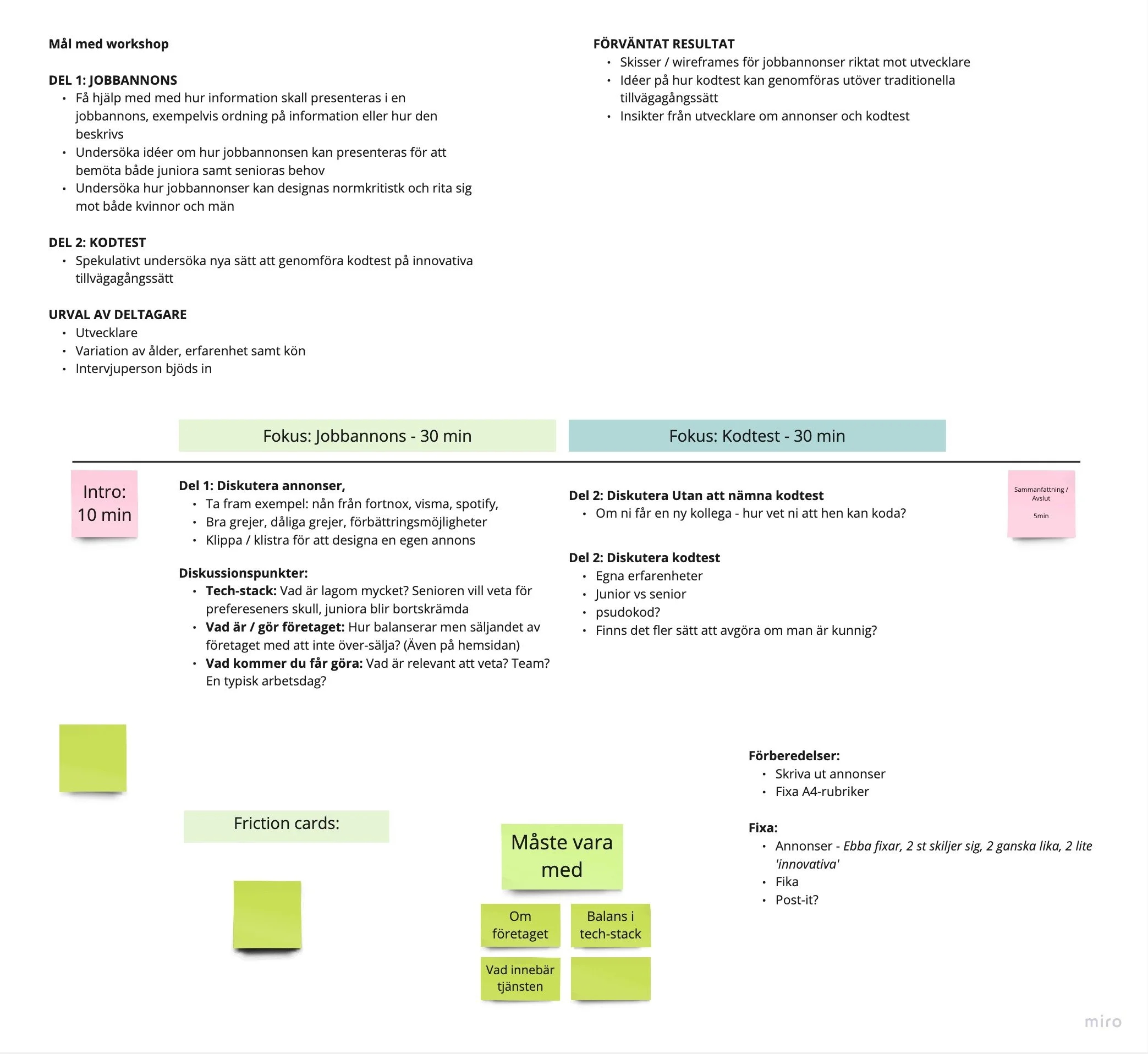
A sketch of our planning of the workshop with the topic’s we wanted to explore and our expected outcomes.
The workshop's outcomes included sketches and insights for job advertisements targeting developers. This material served as the foundation for three distinct advertisement prototypes.
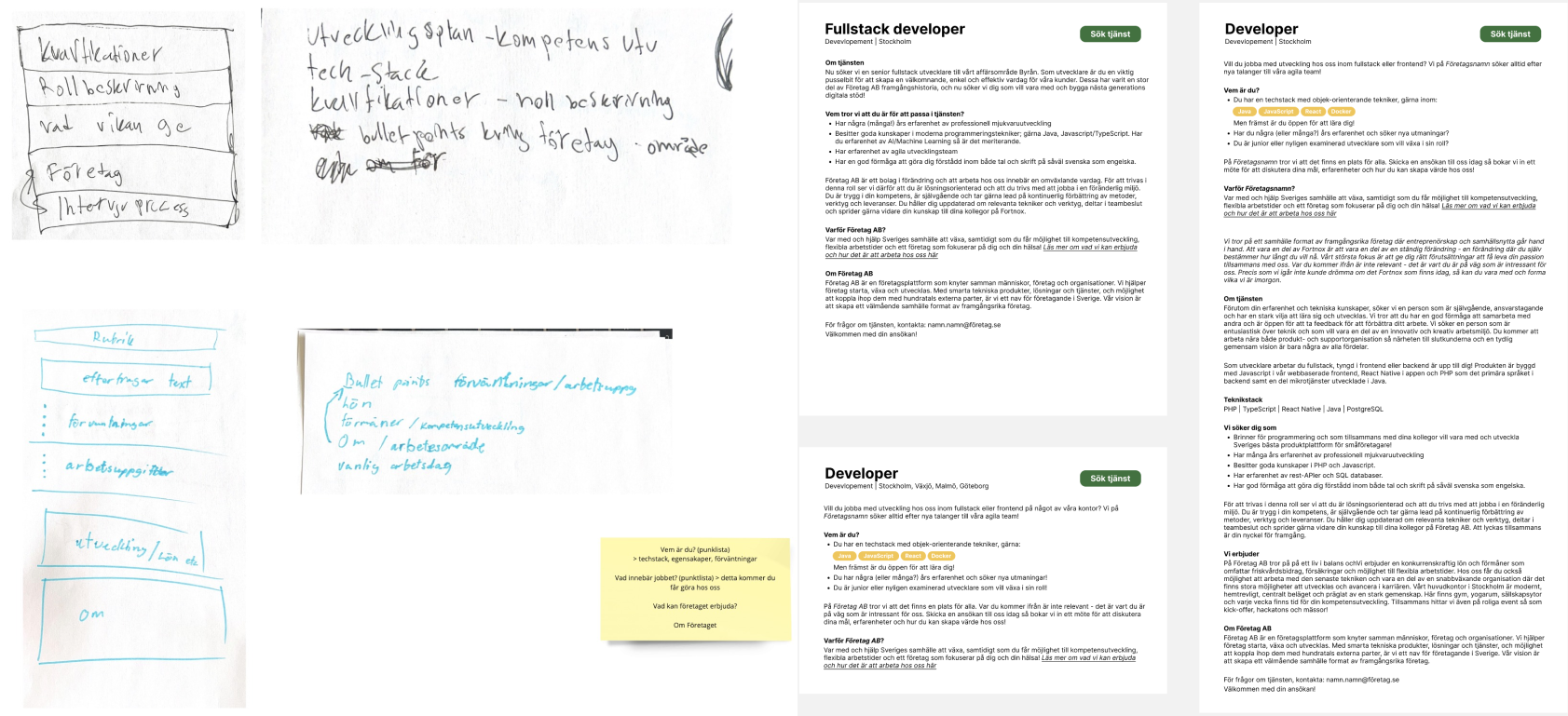
Our user evaluations leveraged the three ad prototypes we created, focusing on how information presentation within a job ad impacts tech talents' perceptions of their job qualifications. These unique 'job ad' prototypes were assessed for their influence on candidates' application decisions.
Each prototype contained different volumes of information, designed based on insights from empirical material and theories gathered during the project. The evaluation involved several steps, centering on a scenario in which the candidate was a fresh graduate (if not already) to experience each ad.
Each prototype was evaluated based on specific questions related to participants' ad experience, their perceived qualification for the job, and their likelihood to apply. After the individual assessments, the three ads were compared, and participants identified their preference and explained their choice. This comparison provided valuable insights into the most effective job ad type for this specific candidate group.
Utilizing User Evaluations
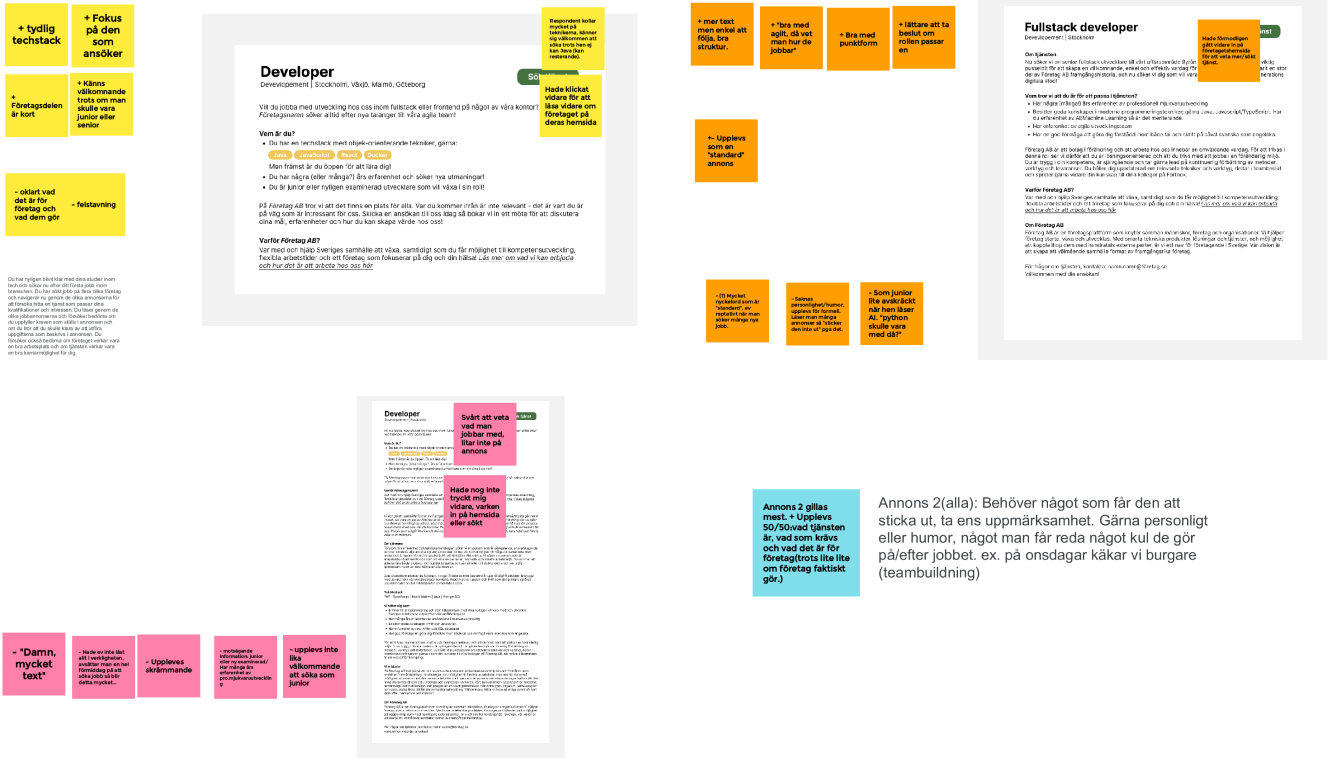
Overall, we identified three themes influencing how tech candidates assess their qualifications: Norm-criticism, Information Hierarchy, and Ad Design.
Understand the hierarchy
Job-seeking tech talents first navigate to specific areas in a job ad, such as what's offered, what they'll do and work with, the technology involved, and the experience required. They then read about the company and remaining details, but only IF what I've previously mentioned meets their criteria. Therefore, this process may already filter out many companies or ads if it's challenging for the talent to get a content overview. This pattern also applies when they visit the company's website for more information.
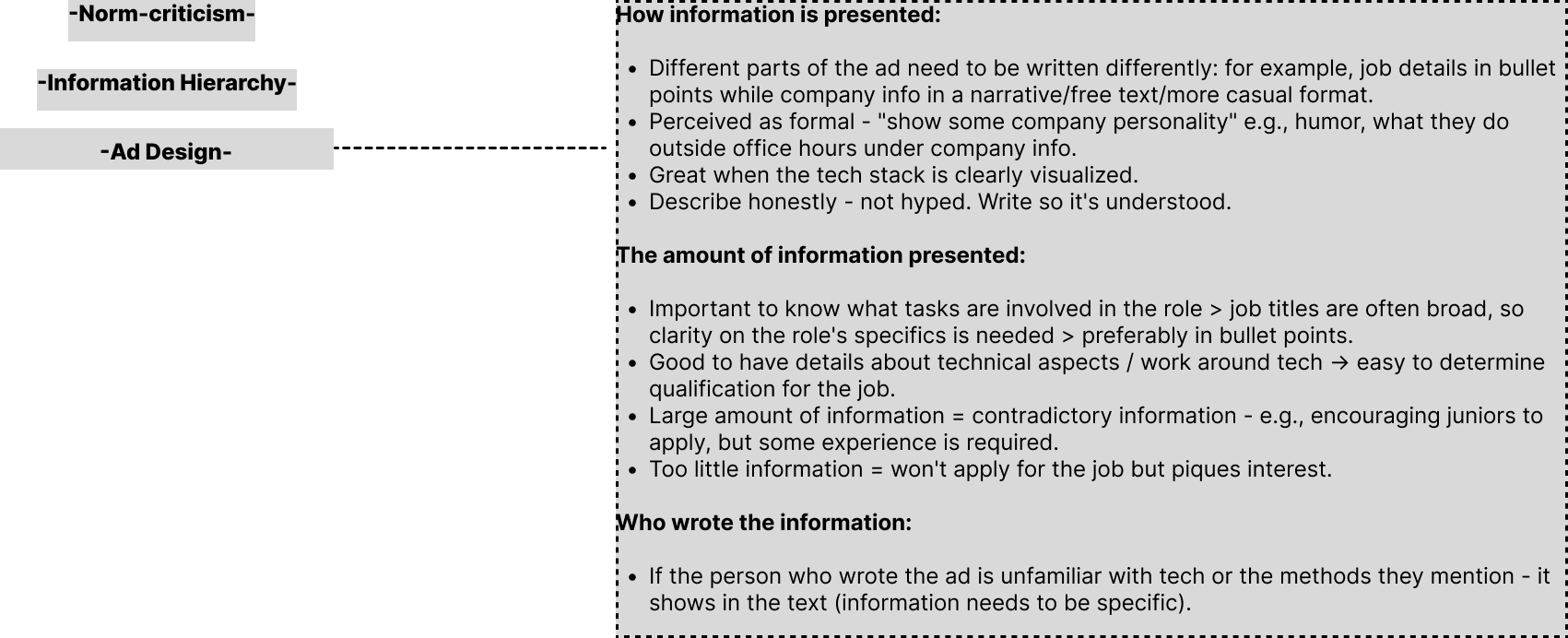
Understand the ad-template
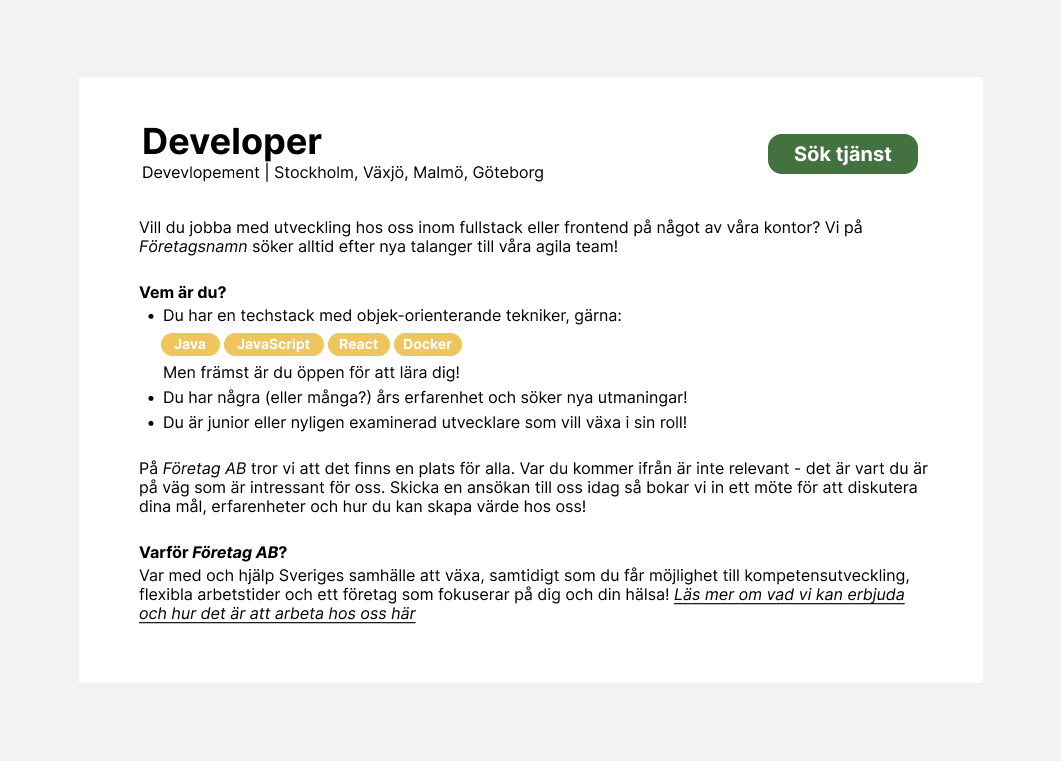
One example of the three themes, a break down of “Ad Design”.
In summary, both content and presentation of information in a job ad influence how tech candidates evaluate their qualifications for a position. It is therefore crucial for Fortnox to consider these factors when designing job ads to attract and retain the right talents. To simplify this, we have summarized these findings in an Ad Template, where the results are included as suggestions to facilitate the design/review of the content in their future ads.
Reflecting Core Insights
A tech talent's job hunt isn't confined to ads, reinforcing the necessity for our recommendations to resonate across a company's career page. Key insights highlighted three crucial aspects: the website's reflection of company culture, clarity on the recruitment process, and emphasis on team dynamics over individualism.
To streamline these insights, we consolidated our learnings into a concise textual foundation to guide our design process. Leveraging this knowledge, we created a sitemap/flowchart illustrating the revised information architecture—a clear departure from the current design.
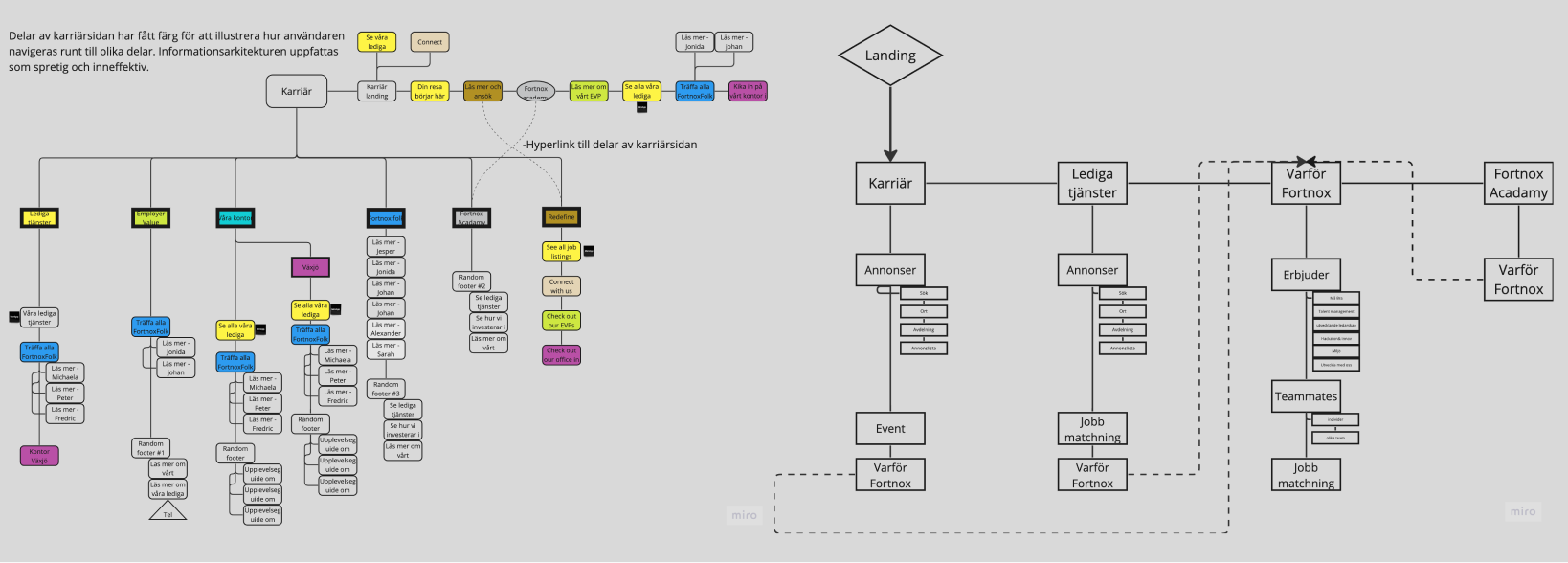
Old VS New Sitemap/combined flowchart.
Enhancing the Career Page: Improved Listing and Comparison
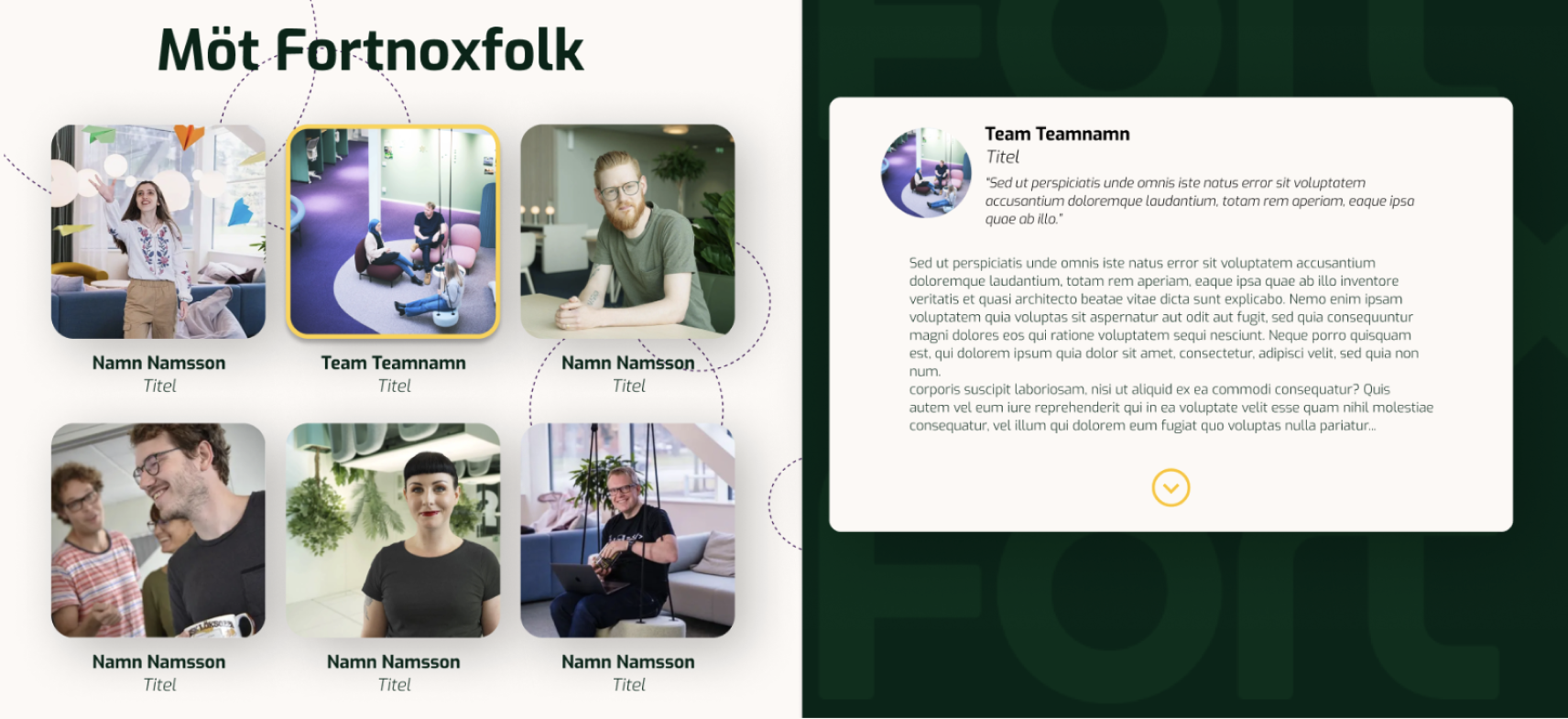
While it may not have been a pressing requirement in relation to job ads, many candidates expressed interest in knowing more about the teams they would be working with and their work methodologies. To address this need, we see an opportunity to highlight the entire team when presenting Fortnox employees.
By providing glimpses of the work environment, methodologies, and colleagues, we can showcase the sense of community at Fortnox and generate increased interest. Rather than focusing solely on individuals, showcasing the team fosters a sense of belonging, where diverse personalities can thrive and complement each other.
Illustrating the team dynamic allows potential candidates to envision themselves as part of a supportive and collaborative work culture, making Fortnox an even more appealing employer.
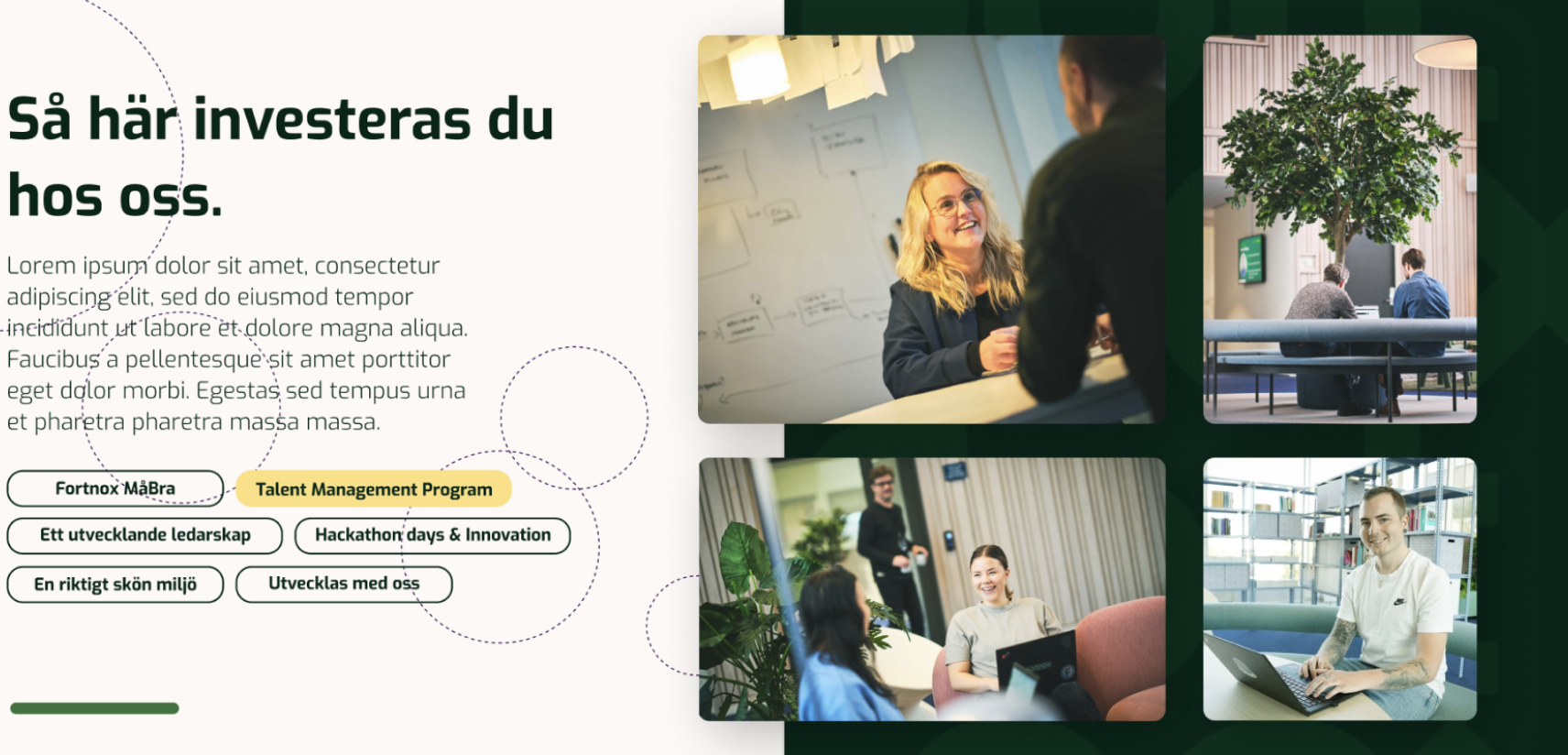
Investing in Employees: Showcasing Fortnox Initiatives
To highlight Fortnox's commitment to its employees, we also aimed to consolidate this information in one place. Here, you can find details about various initiatives, such as ‘Fortnox Måbra’ (Employee Well-being Program), Miljön (Environmental Initiatives), and Hackathons. This presentation is a suggested format and not the actual content, but it aims to provide concrete information. For instance, it might include insights into how ‘Fortnox Måbra’ enriches the workday or the exciting experiences from the latest hackathons.
Candidates often seek tangible evidence of an employer's dedication to their well-being and professional growth. By presenting these initiatives clearly, potential candidates can better understand how Fortnox invests in its employees' personal development and fosters a positive work environment.
Enhancing the Career Page: Improved Listing and Comparison
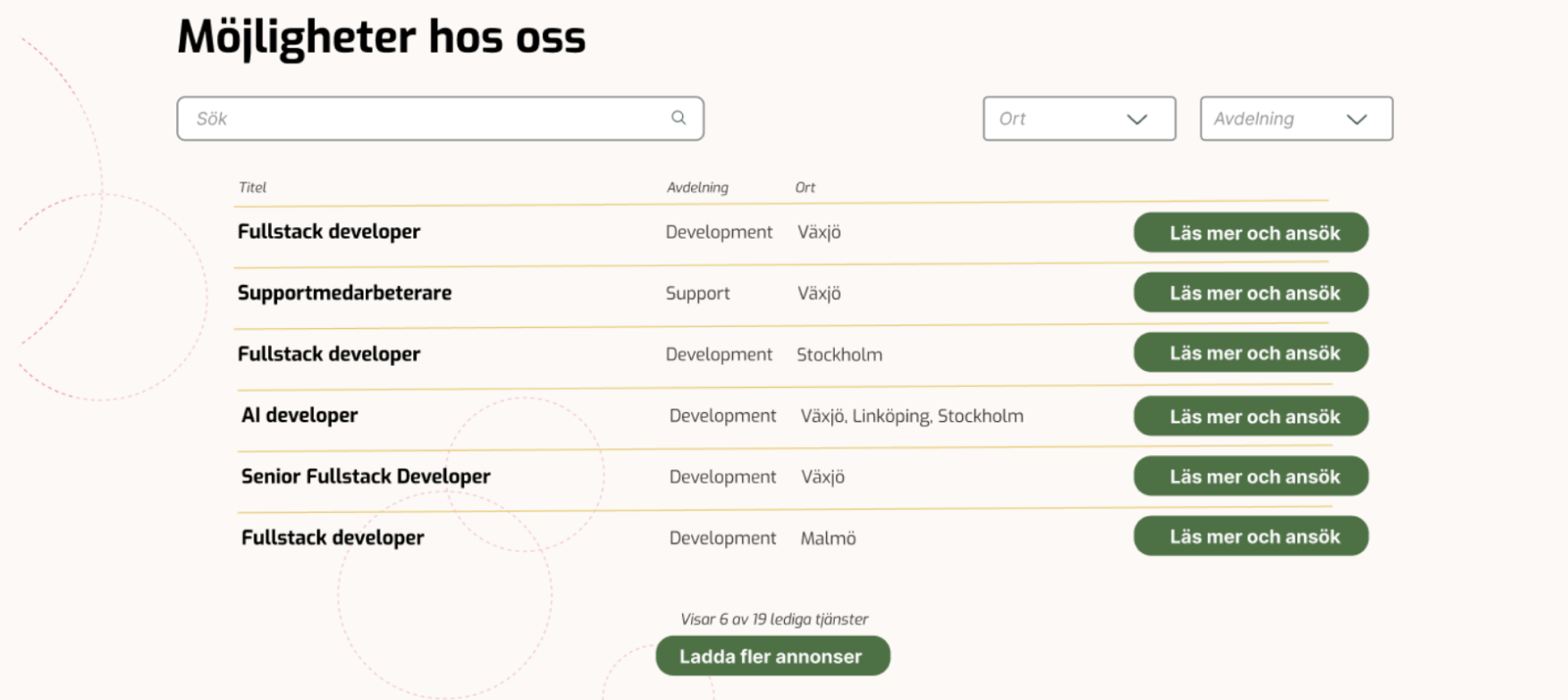
To achieve greater clarity and a more focused presentation on the career page, we have opted for a list view to showcase the job ads. This not only improves the overall overview of available positions but also increases coherence by removing individual descriptions that can vary significantly.
By listing the ads in this manner, job seekers can quickly scan and assess the available positions. Moreover, implementing a drop-down feature enhances efficiency by allowing users to access and compare ad details with ease, without the need to navigate back and forth between different ads. This aligns with the insights gathered, as when a company has multiple job openings, candidates should easily find roles that match their qualifications and preferences.
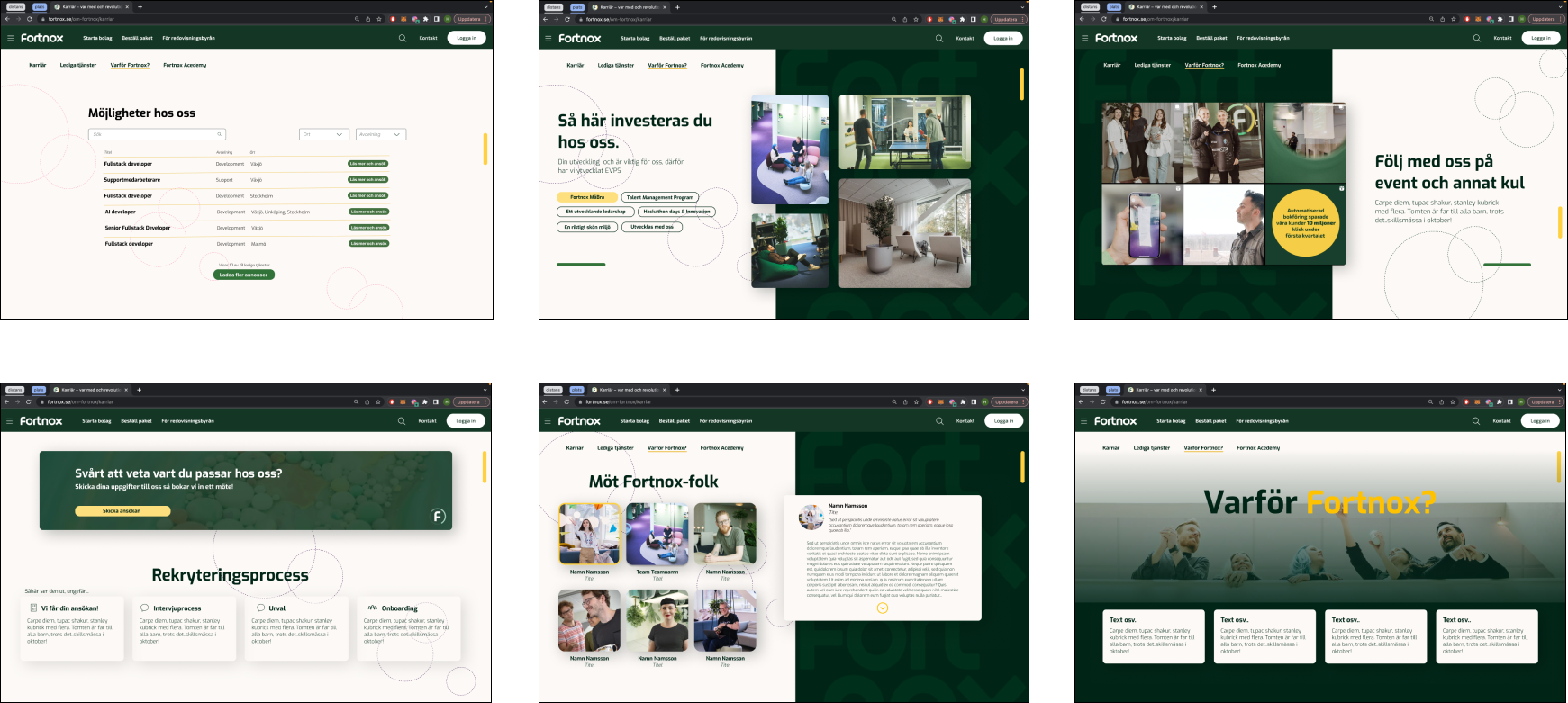
Prototype
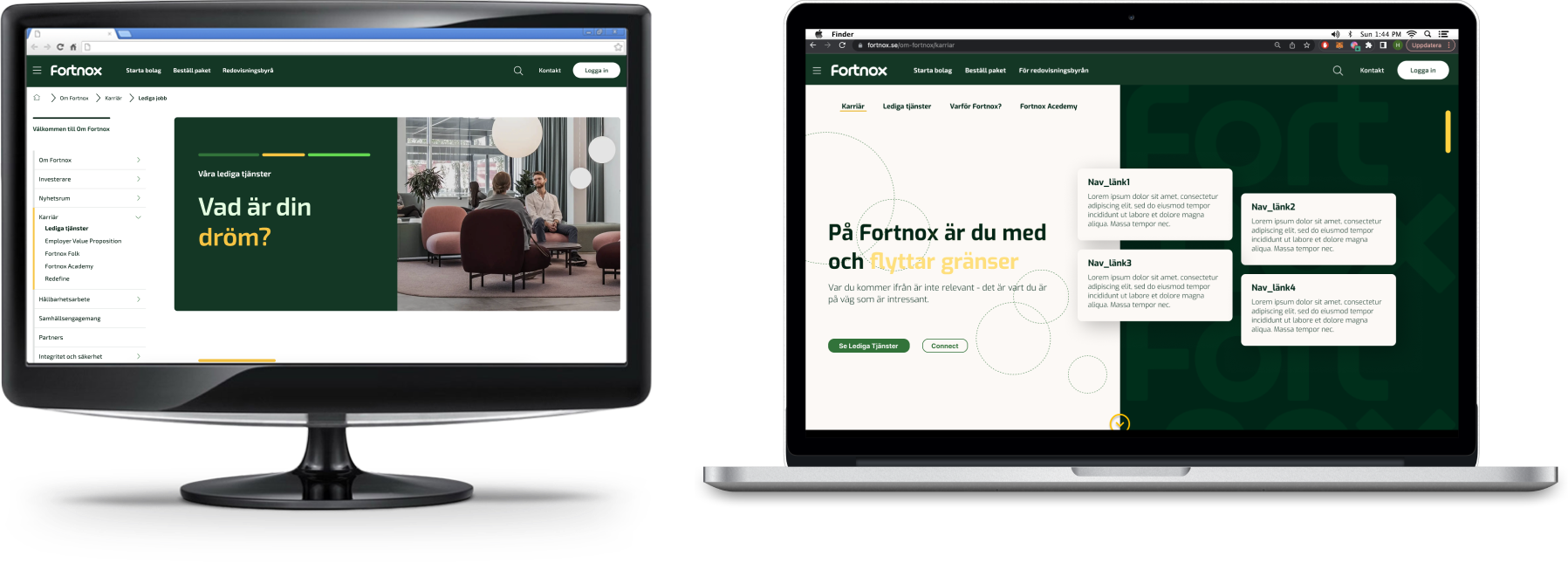
The old career landing site at Fortnox vs our new one, the first thing we knew we wanted to do was get rid of the redundant menu on the left.
Learnings and Takeaways
Insights from this project provide valuable information about developers' needs and goals as job seekers. To create a holistic recruitment process and career flow on the website, it is essential to explore the needs and goals of other target groups beyond developers.
During the "Getting to Know Fortnox" phase, respondents highlighted job security as a significant employer factor. However, developers, aware of abundant job opportunities in the tech industry, didn't express the same need. Nevertheless, it's crucial to iterate and develop the website and ad template to address the specific needs of different professional groups. Customizing information for various job roles can enhance the overall candidate experience.
Company culture must be effectively communicated on the website, not just in text but through its design. A modern, user-friendly, and well-organized website conveys a sense of innovation and efficiency. In contrast, an unstructured or bland website can make the company appear outdated or disorganized—particularly important for tech companies, where modernity and innovation are core values.
The prototype focuses on visually representing Fortnox's values and identity as an employer. By aligning the website with the desired company culture, Fortnox can attract and engage candidates who resonate with their values. A well-designed website leaves a lasting impression on job seekers and reinforces Fortnox's image as a modern and forward-thinking tech company.